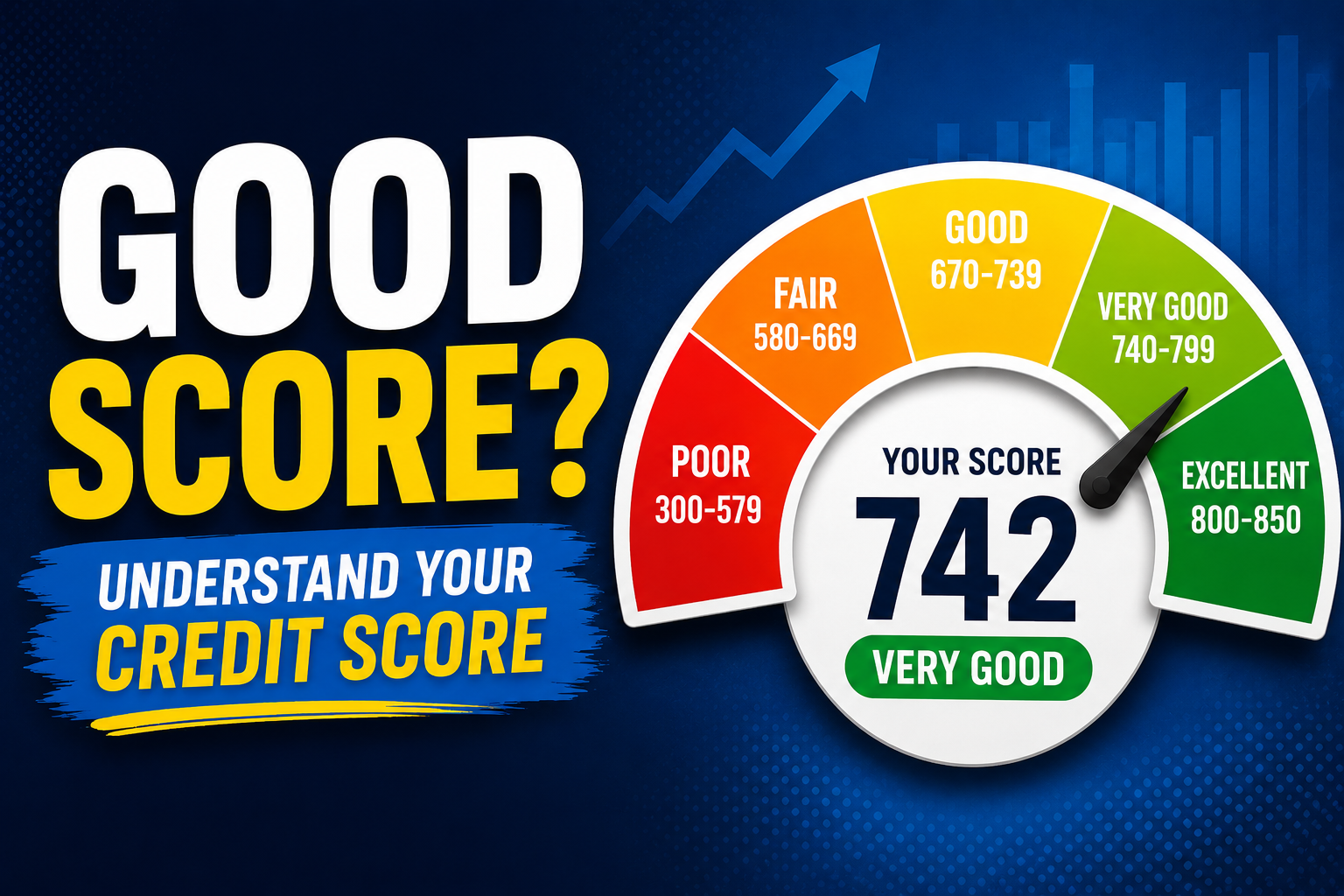
What Is a Good Credit Score? Score Ranges Explained
What Is a Good Credit Score?
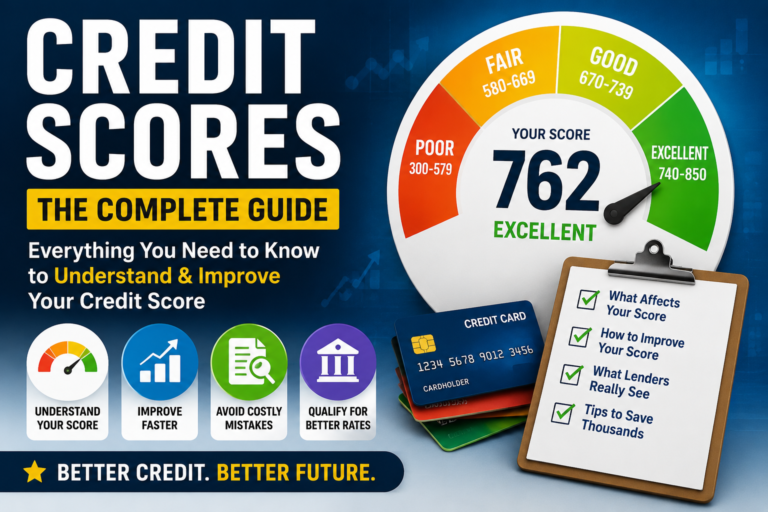
One of the most common questions people ask is, “What is a good credit score?” The answer depends on the lender, the type of loan you’re applying for, and the credit scoring model being used. However, understanding the general credit score ranges can help you know where you stand and what steps you should take next.
Whether you’re applying for a mortgage, financing a vehicle, renting an apartment, or opening a new credit card, your credit score plays an important role in determining your approval odds and the interest rates you’ll receive.
Credit Score Ranges at a Glance
| Credit Score Range | Rating | General Meaning |
|---|---|---|
| 300–579 | Poor | Significant credit risk |
| 580–669 | Fair | Below average credit |
| 670–739 | Good | Meets the requirements for many lenders |
| 740–799 | Very Good | Strong credit profile with favorable borrowing terms |
| 800–850 | Excellent | Exceptional credit and access to the best offers |
These ranges are general guidelines. Individual lenders may have different qualification requirements depending on the product you’re applying for.
Why Your Credit Score Matters
Your credit score affects far more than simply getting approved for a loan. It can influence:
- Mortgage interest rates
- Auto loan financing
- Credit card approvals
- Apartment rental applications
- Security deposits for utilities
- Insurance premiums in some states
- Personal loan approval
- Business financing opportunities
Even a relatively small improvement in your score may save thousands of dollars over the life of a loan.
What Is Considered a Good Credit Score?
A score of 670 or higher is generally considered good by many lenders.
Borrowers with scores in this range often qualify for:
- Competitive interest rates
- Higher credit limits
- Better rewards credit cards
- Lower required deposits
- More financing options
While a good score opens many doors, continuing to improve into the very good or excellent range may provide even greater financial benefits.
What Is an Excellent Credit Score?
Generally, scores of 800 or above are considered excellent.
Consumers with excellent credit often enjoy:
- The lowest available interest rates
- Premium rewards credit cards
- Easier loan approvals
- Larger borrowing limits
- Better refinancing opportunities
An excellent score doesn’t guarantee approval, but it demonstrates a long history of responsible credit management.
What Does a Fair Credit Score Mean?
A fair credit score typically falls between 580 and 669.
You may still qualify for financing, but you could experience:
- Higher interest rates
- Lower credit limits
- Additional documentation requirements
- Higher security deposits
- Fewer lending options
Fortunately, moving from fair to good credit is often achievable by consistently paying bills on time and lowering credit card balances.
What Happens If Your Score Is Poor?
A score below 580 generally indicates higher lending risk.
Potential challenges include:
- Loan denials
- Higher interest rates
- Difficulty qualifying for premium credit cards
- Larger apartment deposits
- Limited financing options
Although rebuilding takes time, many consumers significantly improve their scores through consistent financial habits.
What Credit Score Do You Need for Common Financial Goals?
| Financial Goal | Recommended Target Score |
| First Credit Card | 620+ |
| Apartment Rental | 650+ |
| Auto Loan | 680+ |
| Mortgage | 700–740+ |
| Premium Credit Cards | 740+ |
| Lowest Interest Rates | 760–800+ |
These are general targets. Individual lenders establish their own approval standards.
How Your Credit Score Can Affect Interest Rates
Two borrowers purchasing the same vehicle or home may pay dramatically different amounts based solely on their credit profiles.
For example:
- Higher credit scores often qualify for lower interest rates.
- Lower interest rates generally result in lower monthly payments.
- Lower monthly payments can save thousands of dollars over the life of the loan.
Improving your score before applying for financing may be one of the most effective ways to reduce long-term borrowing costs.
How to Move Into the Next Credit Score Range
Improving your score is usually the result of consistent habits rather than quick fixes.
Focus on these priorities:
Always Pay Bills on Time
Payment history is generally the most influential component of your credit score.
Keep Credit Utilization Low
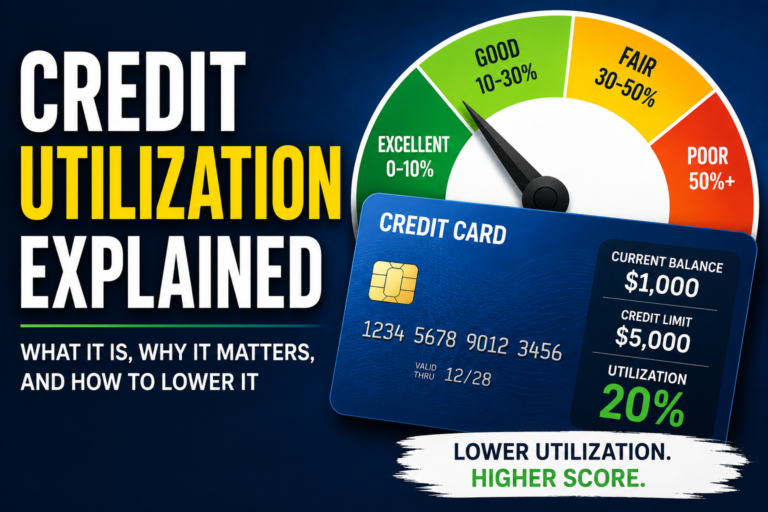
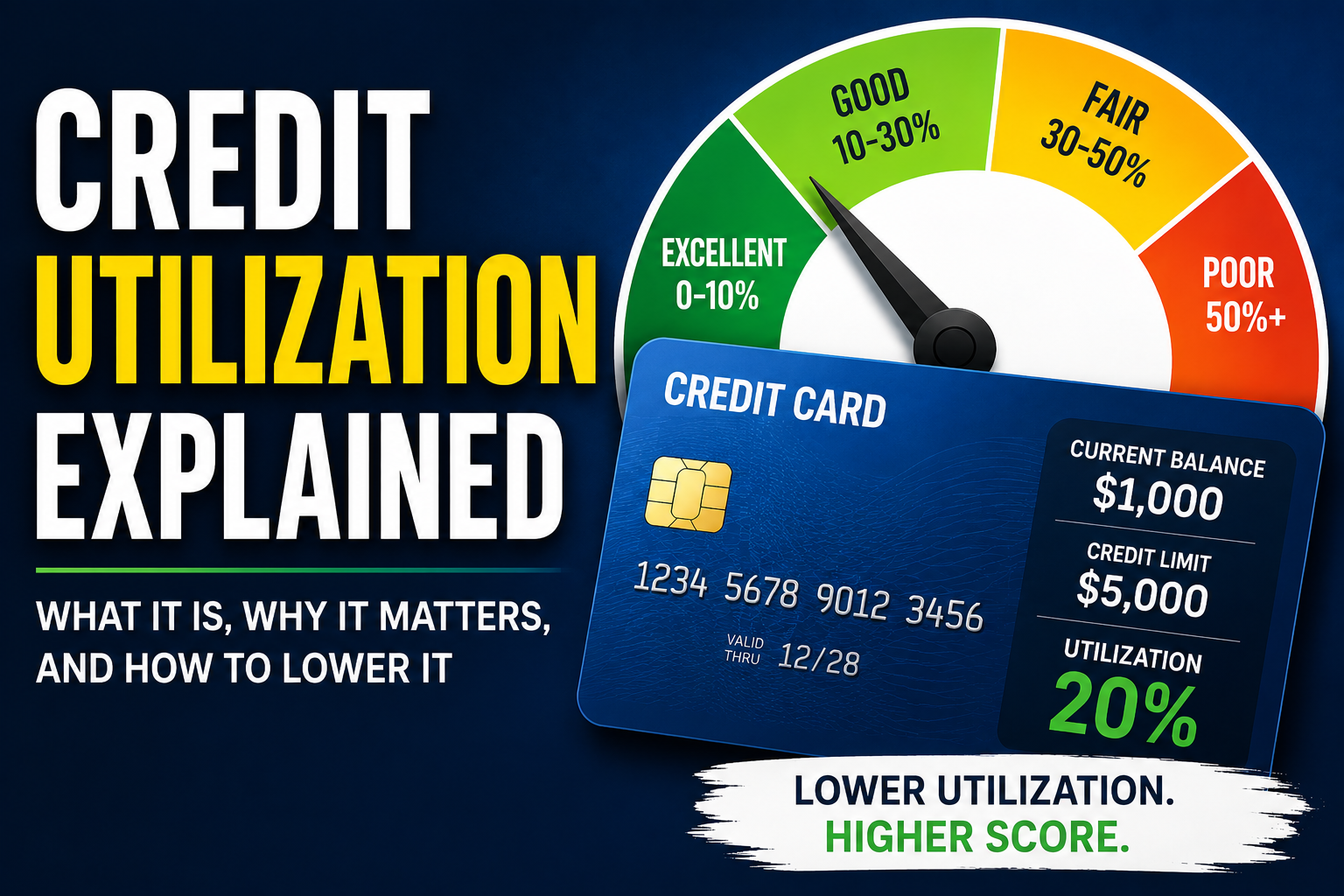
Many financial experts recommend keeping credit card utilization below 30%, with under 10% often viewed most favorably.
Avoid Unnecessary Credit Applications
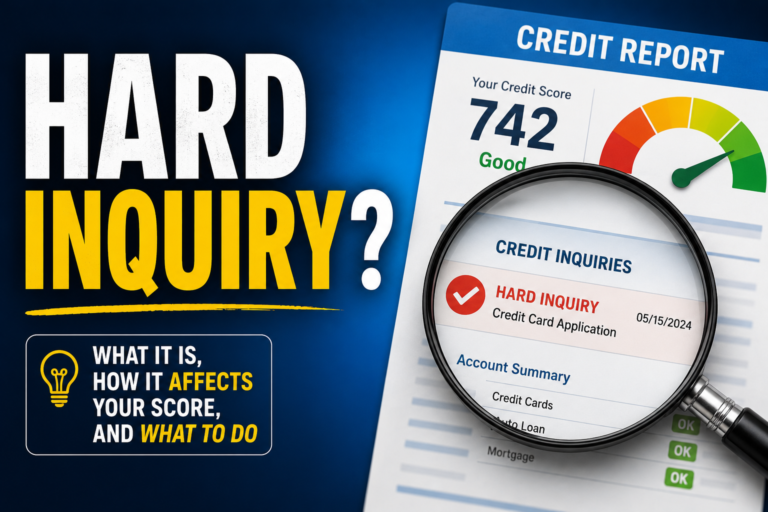
Applying for multiple new accounts within a short period may temporarily lower your score.
Review Your Credit Reports
Check your reports regularly for errors or fraudulent accounts that could negatively affect your credit.
Keep Older Accounts Open
Long-established accounts may strengthen the average age of your credit history.
Common Myths About Good Credit Scores
Myth: You Need a Perfect 850 Score
Very few people have a perfect score. Scores in the excellent range generally provide access to the same top lending opportunities.
Myth: Income Determines Your Credit Score
Income is not a direct factor in most credit scoring models.
Myth: Carrying a Credit Card Balance Improves Your Score
You do not need to carry a balance from month to month. Paying your statement balance in full can demonstrate responsible credit management while avoiding interest charges.
Myth: Checking Your Own Score Hurts Your Credit
Reviewing your own credit score is generally considered a soft inquiry and does not typically lower your score.
Signs Your Credit Score Is Improving
You may notice positive progress when:
- Your utilization decreases
- Negative items become older
- You establish a consistent history of on-time payments
- Your available credit increases while balances remain low
- Credit report errors are corrected
Monitoring your score monthly helps you track these improvements over time.
Key Takeaways
- A score of 670 or higher is generally considered good.
- Scores above 740 often qualify for more competitive lending terms.
- Excellent credit may provide access to the best interest rates and financial products.
- Improving payment history and reducing credit utilization are among the most effective ways to build better credit.
- Consistency is more important than attempting short-term credit hacks.
Frequently Asked Questions
Is a 700 credit score good?
Yes. A 700 credit score generally falls within the good credit range and may qualify you for many loans and credit cards with competitive terms.
Can I buy a house with a 650 credit score?
Possibly. Some mortgage programs accept lower credit scores, although higher scores often qualify for better interest rates and loan terms.
Is an 800 credit score worth pursuing?
An excellent credit score may help you qualify for premium financial products and lower borrowing costs, but you don’t necessarily need a perfect 850 score to receive excellent offers.
How long does it take to improve a credit score?
The timeline varies based on your starting point and financial habits. Consistently making on-time payments, lowering credit utilization, and avoiding unnecessary applications may produce gradual improvements over several months.
Should I close old credit cards I no longer use?
Not always. Keeping older accounts open may benefit the length of your credit history and help maintain lower credit utilization, provided there are no annual fees or other drawbacks.